- Posted on
- • Faxing Insights & Industry Knowledge
Faxing Myths: Debunked
- Author
-
-

- User
- hira
- Posts by this author
- Posts by this author
-
Many beliefs about faxing come from older machine-based habits rather than the digital platforms used today. Modern faxing operates through secure online systems that work reliably across different industries. This article addresses common myths and outline how faxing functions in current workflows.
Myth One: Faxing Is No Longer Used
Faxing remains active in healthcare systems, insurance carriers, government offices, and financial institutions. These environments rely on fax transmissions because they offer dependable delivery records and predictable audit trails. Many departments prefer PDF files with clear labels, since they help maintain order during reviews and storage. Despite common assumptions, faxing continues to support daily operations where documented communication matters.
Myth Two: Online Faxing Is Unsafe
Some people assume that uploading files for fax transmission creates security risks. Digital fax platforms use encrypted channels that protect documents during both upload and delivery, keeping information shielded from unauthorized access. Many services also limit account visibility to approved users, supporting privacy requirements. Verifying email accounts before sending adds another layer of protection and helps prevent misuse of the system.
Myth Three: Faxing Takes Too Long
The belief that faxing slows down communication stems from the days of hardware errors and busy lines. Digital faxing eliminates those delays entirely. Users upload files within moments, and the system handles the transmission automatically. Delivery confirmations arrive quickly, making it easier to track time-sensitive documents without waiting near a machine. Preparing a single, well-organized PDF often speeds up the process even further.
Myth Four: Faxes Cannot Handle Multiple Documents
Online fax platforms can process several files in one single transmission. Placing related materials into a one document keeps pages in order and helps recipients review them without confusion. When sending images of different sizes, arranging them inside a Word document and exporting it as a DOCX file ensures a cleaner result. These small steps help the system present information clearly on the receiving end.
Myth Five: Digital Faxes Are Not Accepted
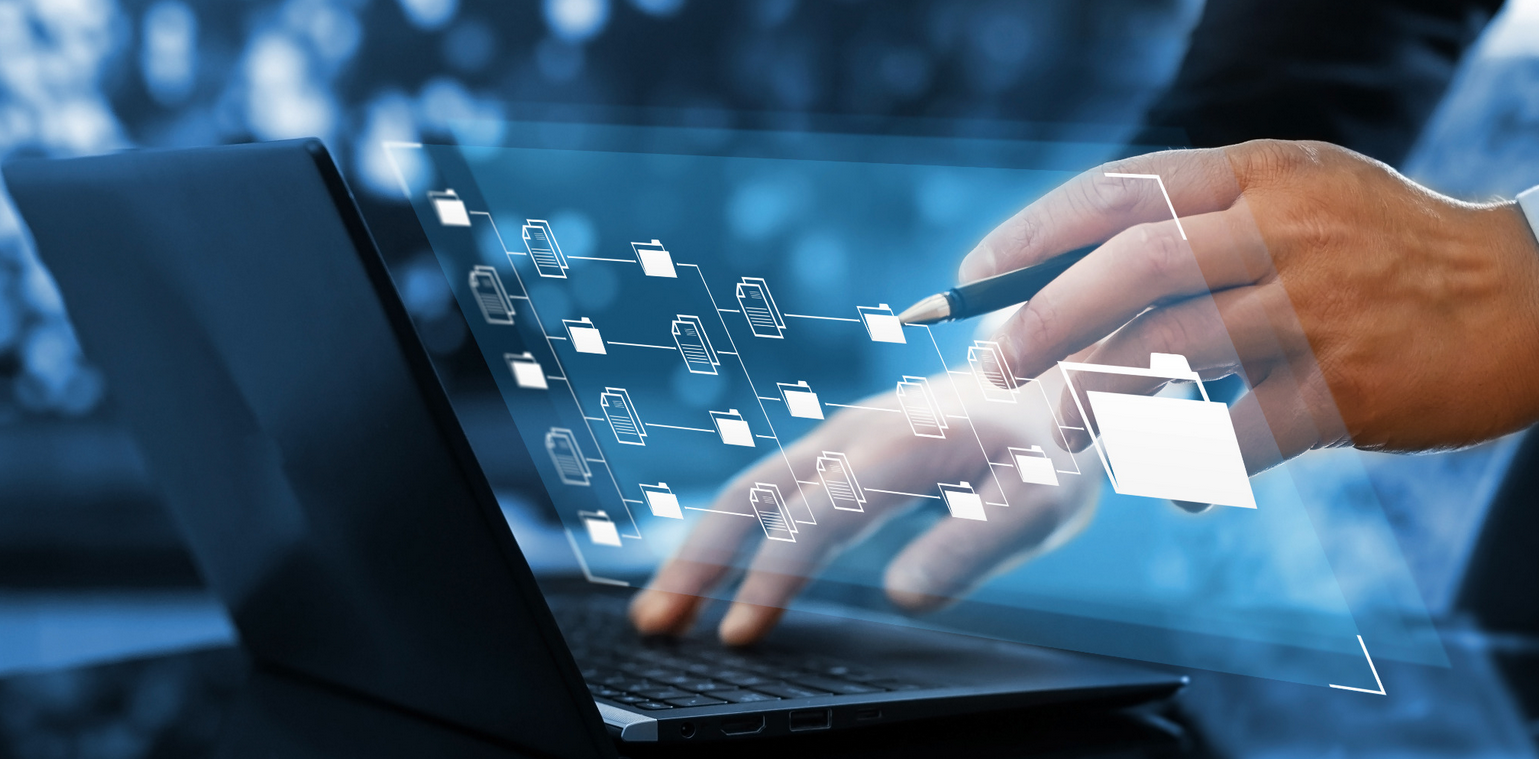 Digital faxes remain widely accepted because they produce traceable communication. Hospitals, clinics, legal offices, insurance carriers, and government agencies routinely work with faxed documents for identity checks, referrals, authorizations, and formal notices. These transmissions include delivery confirmations that show exactly when a document reached its destination. Using PDFs with descriptive filenames often makes the review process faster for the recipient.
Conclusion
Faxing continues to hold a place in modern communication because it provides structured delivery, protected transmission, and clear documentation. Many myths stem from outdated equipment rather than the capabilities of online platforms. Digital faxing handles grouped files, supports secure exchange, and operates efficiently across administrative and regulated settings. These strengths reflect why services like FaxMingle remain active in environments that depend on reliable document transfer.