- Posted on
- • Faxing Insights & Industry Knowledge
Faxing Cybersecurity Benefits 2026
- Author
-
-

- User
- Marcus
- Posts by this author
- Posts by this author
-
Email has become the default method of communication for most organizations, but its widespread use has also made it a primary target for cyberattacks. Phishing attempts, ransomware campaigns, and data interception have exposed weaknesses in email systems' handling of sensitive information. As a result, many industries are re-evaluating how they transmit confidential data.
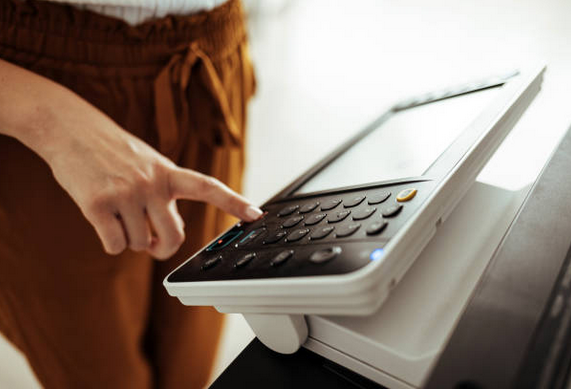
In 2026, faxing is gaining renewed attention, not as an outdated technology but as a reliable method for secure communication. While it may seem less advanced at first glance, modern fax systems address several of the vulnerabilities that email continues to struggle with. Because of this, fax is being recognized as a practical component of cybersecurity strategies.
The Security Risks Associated with Email
Email remains convenient, but that convenience often comes at the cost of security. Messages can be intercepted, forwarded without restriction, or accessed through compromised accounts, which makes it difficult to control how information is handled once it is sent.
Phishing attacks remain one of the most common entry points for cyber threats, as attackers can impersonate trusted sources and trick users into sharing sensitive data. Even when organizations implement filters and security layers, human error remains a major factor.
In addition, email attachments can carry malware, introducing further risk when files are opened without proper verification. These issues highlight the challenge of relying on a system that was not originally designed to handle highly sensitive information.
Why Fax Offers a Different Level of Control
Fax operates differently from email, and this difference plays a key role in its security advantages. Instead of sending data through open internet channels that can be forwarded or duplicated easily, fax transmissions follow a more controlled path between sender and recipient.
Modern digital fax platforms use secure transmission methods and limit access to documents after delivery. This reduces the likelihood of unauthorized sharing, which is a common email issue.
Another important factor is predictability. Fax communication is typically sent to a specific number, reducing the risk of accidental forwarding or widespread distribution. This level of control makes it easier to manage the handling of sensitive information.
Reduced Exposure to Common Cyber Threats
Because fax does not rely on the same open communication model as email, it avoids many of the risks associated with phishing and malware distribution. Attackers cannot easily insert malicious links or attachments into a fax transmission as easily as they can with email messages.
This does not mean fax is completely risk-free, but it does reduce exposure to some of the most common attack methods. As a result, organizations can use fax as an additional layer of protection when handling sensitive documents.
By separating critical communication from email systems, firms can limit the impact of potential breaches and reduce the number of entry points attackers have.
The Role of Secure Digital Fax in 2026
Faxing in 2026 is no longer limited to physical machines and paper-based processes. Secure digital fax platforms allow organizations to send and receive documents through software while maintaining the controlled transmission model that fax is known for.
These platforms include encrypted transmission, user authentication, and detailed audit logs, all of which align with modern security expectations. Because of this, fax can be integrated into existing workflows without relying on outdated hardware.
This combination of traditional reliability and updated security features makes digital fax a useful option for organizations that need both control and flexibility.
How Fax Supports Compliance Requirements
Many industries are required to follow strict regulations when handling sensitive data, including healthcare, legal services, and finance. These regulations often emphasize secure transmission, controlled access, and proper recordkeeping.
Fax systems naturally support these requirements by providing clear transmission paths and verifiable delivery records. When combined with modern digital platforms, they also offer encryption and access controls that strengthen compliance efforts.
Because of this, fax remains a preferred method in environments where regulatory standards must be met consistently.
Tutorial: Sending a Secure Fax Using a Digital Platform
A platform such as FaxMingle allows users to send documents through a controlled process that keeps each action recorded and traceable.
1. Access your account
Sign in with your credentials to open the dashboard, where all activity is logged for reference.
2. Add your document
Upload the file you need to send, making sure the content is complete and accurate.
3. Enter the destination number
Input the recipient’s fax number carefully to avoid sending the document to the wrong party.
4. Review all details
Check both the document and the recipient information before moving forward.
5. Submit the fax
Send the document through the platform, which manages secure transmission.
6. Confirm delivery status
Check the confirmation report to verify that the fax reached its destination successfully.
Why Fax Is Still Relevant
Fax continues to remain relevant because it solves problems that email has not fully addressed. While email prioritizes speed and accessibility, fax provides control and traceability, which are critical when handling sensitive information.
Organizations are not replacing email entirely, but they are becoming more selective about how it is used. By combining email with more controlled communication methods like fax, they can reduce risk and improve overall security.
Final Thoughts
Faxing is often overlooked because it is associated with older technology, but its underlying structure offers advantages that remain valuable in a cybersecurity context. As threats continue to target common communication channels, organizations are recognizing the need for alternatives that provide greater control.
In 2026, fax is not a replacement for email, but it is a strong complement that helps close security gaps. By incorporating secure fax into their workflows, organizations can strengthen their approach to protecting sensitive information while maintaining reliable communication.