- Posted on
- • Faxing Insights & Industry Knowledge
Digital Signatures vs. Faxed Signatures: What’s Legally Binding in 2026?
- Author
-
-

- User
- Marcus
- Posts by this author
- Posts by this author
-
As legal and business processes continue to move online, the way documents are signed has changed over time, introducing some confusion about what still holds legal weight. Digital signatures and faxed signatures are now widely used, and because they coexist, many organizations assume that one has replaced the other. In reality, the situation is more nuanced, since both methods continue to serve different purposes.
In 2026, both digital and faxed signatures can be legally binding, but their validity depends on how they are used and the context in which they are applied. Because of this, understanding the differences between them is important for law firms, healthcare providers, and businesses that rely on signed documents for compliance and recordkeeping.
What Is a Digital Signature
A digital signature is an electronic method of signing a document that uses encryption to verify identity and confirm that the document has not been altered after signing. Unlike simply typing a name or inserting a signature image, this method creates a secure connection between the signer and the document.
This process relies on cryptographic technology, which generates a unique digital certificate linked to the signer. When a document is signed, the system records important details such as the signer’s identity, the exact time of signing, and any changes made afterward.
Because of this structure, digital signatures provide both authentication and document integrity, which is why they are widely accepted in legal and business environments.
What Is a Faxed Signature
A faxed signature is a copy of a handwritten signature that is transmitted through a fax system, either through a physical machine or a digital fax platform. In this process, the document is signed manually and then scanned or faxed to the recipient.
Although this method is less technical than digital signing, faxed signatures remain legally valid in many situations because they represent a transmitted copy of a signed document. This validity is often supported when the transmission path is considered reliable and properly documented. As a result, faxed signatures continue to be widely used in industries that rely on established workflows, such as legal services, healthcare, and government operations.
Legal Validity in 2026
In 2026, both digital and faxed signatures can be legally binding, but their acceptance depends on specific legal frameworks and the nature of the transaction. Digital signatures are supported by laws such as the ESIGN Act and UETA in the United States, which recognize electronic signatures as valid when certain conditions are met.
These conditions include a clear intent to sign, consent to use electronic records, and the ability to retain a copy of the document for reference. When these requirements are satisfied, digital signatures can carry the same legal weight as handwritten signatures.
Faxed signatures are also considered legally valid in many cases because they represent a transmitted copy of an original signed document. Courts often accept faxed copies as evidence, especially when there is a clear and verifiable record of transmission. Because of this, the key difference between the two methods is not the legality itself, but the level of verification and traceability each provides.
Key Differences Between Digital and Faxed Signatures
While both methods can be legally binding, they operate differently and provide varying levels of security and documentation.
• Verification of identity:
Digital signatures verify the signer's identity through encryption and digital certificates, whereas faxed signatures rely on the assumption that the sender is legitimate.
• Document integrity:
Digital signatures can detect any changes made after signing, while faxed signatures do not include built-in protection against document alteration.
• Audit and tracking:
Digital systems create detailed logs of signing activity, while fax systems provide transmission records but less detailed tracking overall.
• Compatibility with existing workflows:
Faxed signatures fit more easily into traditional legal and administrative processes, especially in environments where fax is still required.
When Digital Signatures Are Preferred
Digital signatures are often preferred in situations where strong identity verification and document integrity are required, since they provide built-in safeguards that support secure transactions. Contracts, financial agreements, and remote approvals benefit from this added level of protection.
They are also well-suited for environments where documents are created, shared, and stored entirely online, since they remove the need for printing, scanning, and manual handling. However, their use may depend on whether all parties involved accept digital signing and whether the receiving institution recognizes the format.
When Faxed Signatures Are Still Used
Faxed signatures continue to be used in situations where institutions require or expect faxed documents as part of their standard processes. Courts, healthcare providers, and certain government agencies still rely on fax, which keeps it relevant in everyday operations.
In these cases, sending a signed document through a secure fax platform allows organizations to meet both legal and operational requirements. Faxed signatures are also useful when working with parties that do not have access to digital signing systems. Because of this, fax remains a practical option even as digital alternatives become more common.
Tutorial: Sending a Signed Document via Secure Fax
Faxing a signed document requires a process that preserves the original signature while keeping the transmission clear and traceable. FaxMingle supports this by guiding each step from upload to confirmation.
1. Sign the document
Apply your handwritten signature to create the final version that will be sent.
2. Upload the signed file
Scan the document or upload a clear digital copy so it can be prepared for transmission.
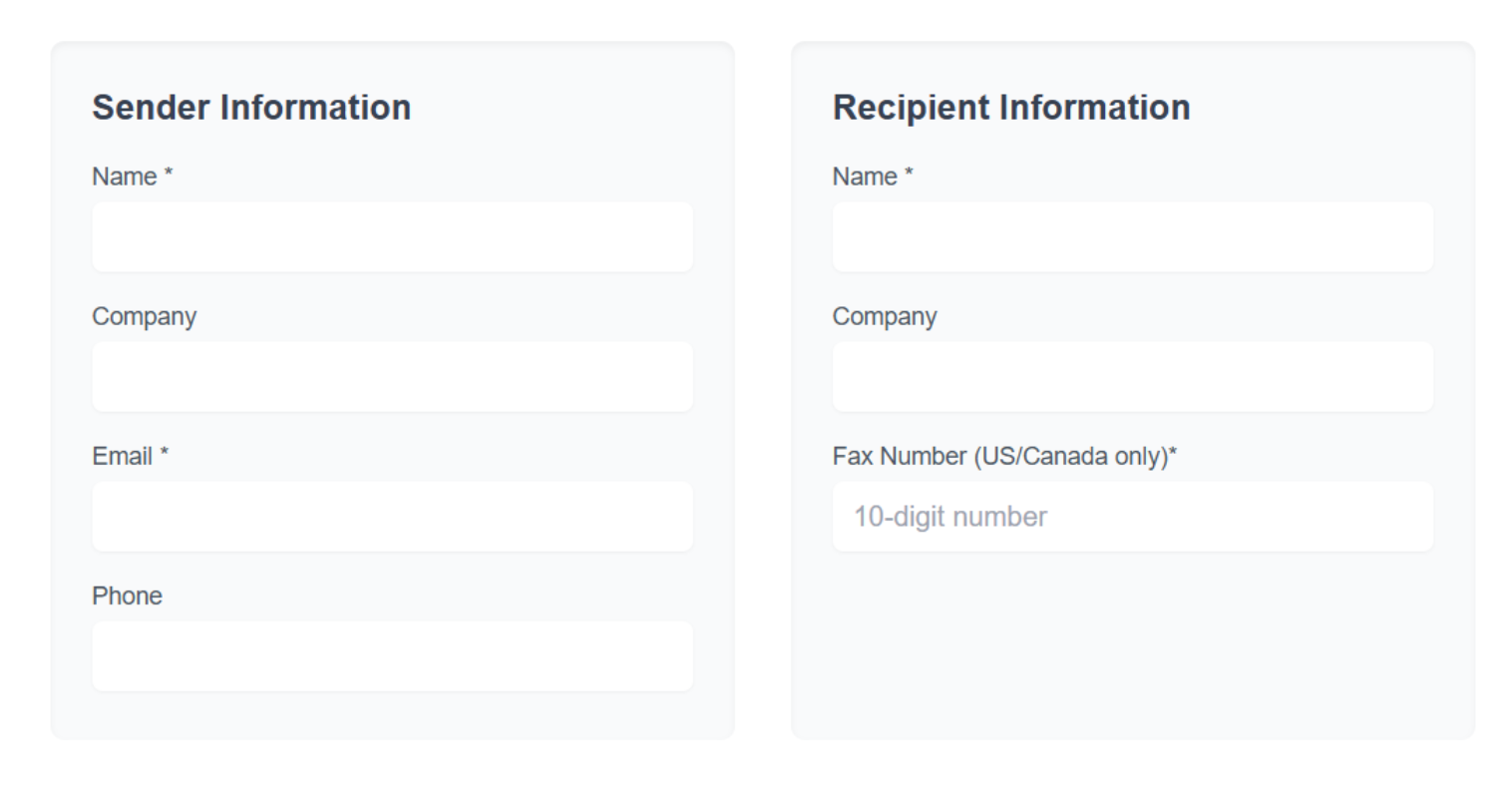
3. Enter recipient information
Add the correct fax number to make sure the document is delivered to the intended party.
4. Review before sending
Check that the correct file is attached and that all pages are included.
5. Send the fax
Submit the document through the platform so it can be transmitted securely.
6. Verify delivery status
Review the confirmation message to confirm that the fax was received successfully.
Final Thoughts
Digital signatures and faxed signatures are not competing methods in the way many assume, since each one serves a different purpose within legal and business workflows. In 2026, both remain legally binding when used correctly, and both continue to play an important role in document management.
Rather than choosing one over the other, organizations need to understand where each method fits and how it supports secure and reliable communication within their specific processes.