- Posted on
- • Faxing Insights & Industry Knowledge
2026 Guide to Sending High-Resolution Images via Fax Without Distortions
- Author
-
-

- User
- Marcus
- Posts by this author
- Posts by this author
-
Sending images through fax has traditionally been associated with poor quality, blurred text, and loss of detail, which made it less suitable for documents that require visual accuracy. However, this limitation was largely tied to older fax machines and analog transmission methods. As fax technology has moved into digital platforms, the ability to send high-resolution images has improved significantly.
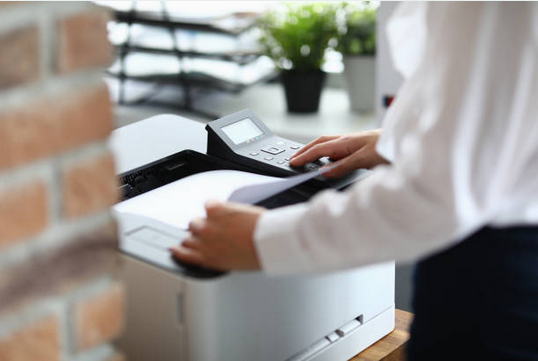
In 2026, secure digital fax systems will allow users to transmit detailed images without the heavy distortion that was once common. Understanding how to prepare and send these files correctly is important for professionals in fields such as healthcare, legal services, and real estate, where image clarity can directly affect outcomes.
Why Image Quality Matters in Faxing
Image quality becomes important when documents include fine details, such as signatures, diagrams, scans of identification, or medical imagery. If these details are lost during transmission, the document may become difficult to read or even unusable.
Traditional fax systems often reduced image quality because they converted files into lower-resolution formats before transmission. This process helped reduce file size but also removed detail, which resulted in blurred or pixelated images.
Digital fax platforms reduce this issue by supporting higher resolution formats and more advanced compression methods, which makes it possible to retain clarity while still transmitting files efficiently.
Common Causes of Image Distortion
To send high-quality images successfully, it is important to understand what distorts fax transmission.
• Low-resolution source files:
Images that start with poor quality cannot be improved during transmission, which means the final result will remain unclear.
• Incorrect file formats:
Some formats compress images too aggressively, which reduces detail and introduces artifacts.
• Over-compression during transmission:
Systems that compress files too heavily can remove important visual information.
• Improper scanning settings:
Scanning documents at low DPI levels can lead to blurred text and unclear images.
• Multiple conversions:
Repeatedly saving or converting files can degrade quality over time. By addressing these factors, users can improve the final output significantly.
Best Practices for Sending High-Resolution Images
Maintaining image clarity requires careful preparation before sending the file through a fax system.
Start by using high-quality source files, since the final output depends on the original image. Scanning documents at an appropriate resolution, typically at least 300 DPI, helps preserve fine details and improve readability.
Choosing the right file format also plays an important role. Formats such as PDF or TIFF are commonly preferred because they maintain image quality better than heavily compressed formats.
It is also important to avoid unnecessary conversions, since each conversion step can reduce clarity. Keeping the file in a stable format from start to finish helps maintain consistency.
Finally, using a digital fax platform that supports high-resolution transmission ensures that the file is not degraded during the sending process.
How Digital Fax Improves Image Transmission
Digital fax platforms handle image transmission differently from traditional systems, which is why they are better suited for high-resolution documents. Instead of relying on analog signals, they process files digitally, which allows for better control over compression and quality.
These platforms can preserve resolution while optimizing file size, which ensures that images remain clear without slowing down transmission. They also support a wider range of file formats, which gives users more flexibility in how documents are prepared.
Because of these improvements, digital fax makes it possible to send detailed images that meet professional standards.
Tutorial: Sending High-Resolution Images via Secure Fax
Sending clear images requires proper preparation and a process that preserves detail during transmission. FaxMingle supports this by converting files while maintaining readability.
1. Prepare the image file
Use a high-quality source or scan the document at a resolution of at least 300 DPI to keep fine details intact.
2. Save in a stable format
Store the file as a PDF or TIFF so the image remains clear without heavy compression.
3. Open the send fax page
Access the FaxMingle interface where sender and recipient details are entered before uploading files.
4. Upload the image
Attach the file without resizing or converting it further so the original quality is preserved.
5. Enter the recipient number
Input the correct fax number carefully to avoid delivery issues.
6. Review the file
Check that the image appears clear and that all pages are included before submission.
7. Send the fax
Submit the request so the platform can process and transmit the file.
8. Check the confirmation
Review the delivery message to confirm the fax was received and that image clarity is maintained.
Avoiding Common Mistakes
Even with modern systems, certain mistakes can still reduce image quality if they are not addressed.
Using low-resolution scans or compressed image formats can result in poor output, regardless of the fax platform being used. Sending images directly from mobile devices without checking quality can also introduce issues, especially if the file has been compressed automatically.
It is also important to avoid resizing images unnecessarily, since reducing dimensions can remove important detail. By keeping the original file intact and using proper settings, users can avoid these problems.
Where High-Resolution Faxing Is Most Useful
High-resolution faxing is particularly useful in industries where document clarity is critical.
In healthcare, clear images are needed for medical records and diagnostic materials. In legal settings, contracts and signed documents must remain legible and accurate. In real estate, property documents and identification records require precise detail.
In all of these cases, the ability to send clear images without distortion supports better communication and reduces the risk of errors.
Final Thoughts
Faxing has changed significantly as it has moved from analog systems to digital platforms, and this change has improved its ability to handle high-resolution images. While older systems struggled with clarity, modern solutions make it possible to send detailed documents without significant loss of quality.
By preparing files correctly and using the right platform, users can avoid common issues and maintain image integrity throughout the transmission process. In 2026, fax is no longer limited by the constraints of the past, and it remains a practical option for sending high-quality documents securely.