
- Posted on
- • Faxing Insights & Industry Knowledge
New 2026 HIPAA Security Rules: Why “Addressable” Safeguards Are Now Mandatory
- Author
-
-

- User
- Marcus
- Posts by this author
- Posts by this author
-
 The language inside the HIPAA Security Rule has always created confusion around one specific term: “addressable.” Many organizations treated it as optional. If something was labeled addressable, it often meant it could be skipped, replaced, or loosely implemented. That interpretation has now changed in 2026, and the consequences of ignoring it are no longer minor.
Regulators have clarified expectations in response to rising healthcare breaches, ransomware attacks, and weak internal controls. The new position is simple. If a safeguard is listed as addressable, it must be implemented in a meaningful way, or there must be a clearly documented and defensible reason for an alternative. Doing nothing is no longer acceptable.
What “Addressable” Was Misunderstood to Mean
Under the original HIPAA framework, safeguards were divided into two categories: required and addressable. Required safeguards had to be implemented exactly as written, while addressable safeguards allowed some flexibility in how organizations approached them. That flexibility, however, was never intended to permit omission.
In practice, many healthcare providers, billing services, and small clinics treated addressable safeguards as optional. Encryption at rest and automatic logoff systems were often ignored because teams assumed they were not strictly required, which gradually created gaps that attackers learned to exploit.
The 2026 update removes that ambiguity by making expectations clear. Addressable safeguards now carry the same expectation of implementation, with flexibility limited to how they are applied rather than deciding if they should exist at all.
What Changed in 2026
The updated guidance places stronger emphasis on accountability and documentation. Organizations must now:
• Implement each addressable safeguard directly, or • Apply an equivalent alternative that provides comparable protection, or • Document in detail why the safeguard is not reasonable and how risks are still reduced
This means every decision must be backed by risk analysis, not convenience. If encryption is not used, there must be a clear technical justification and a compensating control that achieves the same outcome. If automatic session termination is not enabled, there must be a valid operational reason supported by safeguards that reduce exposure.
Auditors are now trained to look for these justifications. A missing safeguard without documentation is treated as non-compliance.
Why This Shift Matters
Healthcare data continues to be one of the most valuable targets for cybercriminals. Patient records contain personal, financial, and medical information in one place. A single breach can expose thousands of records and lead to financial penalties, lawsuits, and reputational damage.
The previous flexibility allowed inconsistent security practices. Some organizations implemented strong protections, while others operated with minimal safeguards. Attackers exploited this inconsistency by targeting weaker systems.
By tightening expectations around addressable safeguards, regulators are closing those gaps. The goal is to create a baseline where every covered entity meets a minimum level of protection.
Practical Example: Encryption
Consider encryption as an example of how the new expectations work. Before 2026, a clinic might decide not to encrypt stored patient data because it slowed down legacy systems. They could claim the safeguard was addressable and proceed without it.
Under the updated approach, that decision must now be justified. The clinic would need to document:
• Why encryption is not feasible in their environment • What alternative controls are in place • How those controls reduce the same risks
If no equivalent protection exists, the organization is expected to implement encryption regardless of inconvenience.
Practical Example: Access Controls
Another common gap involves user access controls. Addressable safeguards include unique user identification, emergency access procedures, and automatic logoff.
Previously, shared logins or long session times were common in smaller practices. These shortcuts increased risk but were rarely challenged. Now, each of these controls must be actively managed. Shared credentials without strict monitoring are likely to fail compliance checks. Systems must track who accessed what data and when, and sessions must close after inactivity unless there is a justified reason not to.
Where Fax Fits into This Shift
As organizations tighten security practices, many are reassessing how they transmit sensitive information. Email, while convenient, often lacks the controlled environment required for protected health information.
Secure digital fax platforms are gaining attention because they align more closely with HIPAA expectations. They offer:
• Encrypted transmission paths • Controlled access to documents • Audit trails for every sent and received file • Reduced exposure compared to open email systems
In a landscape where every safeguard must be accounted for, systems that provide built-in compliance support are becoming more valuable. Tutorial: Sending a HIPAA-Compliant Fax Using a Secure Platform Below is a simple walkthrough showing how a secure fax platform can support compliance with addressable safeguards.
Step 1: Log in to your secure fax dashboard
Access your platform using individual credentials. This supports unique user identification and audit logging.
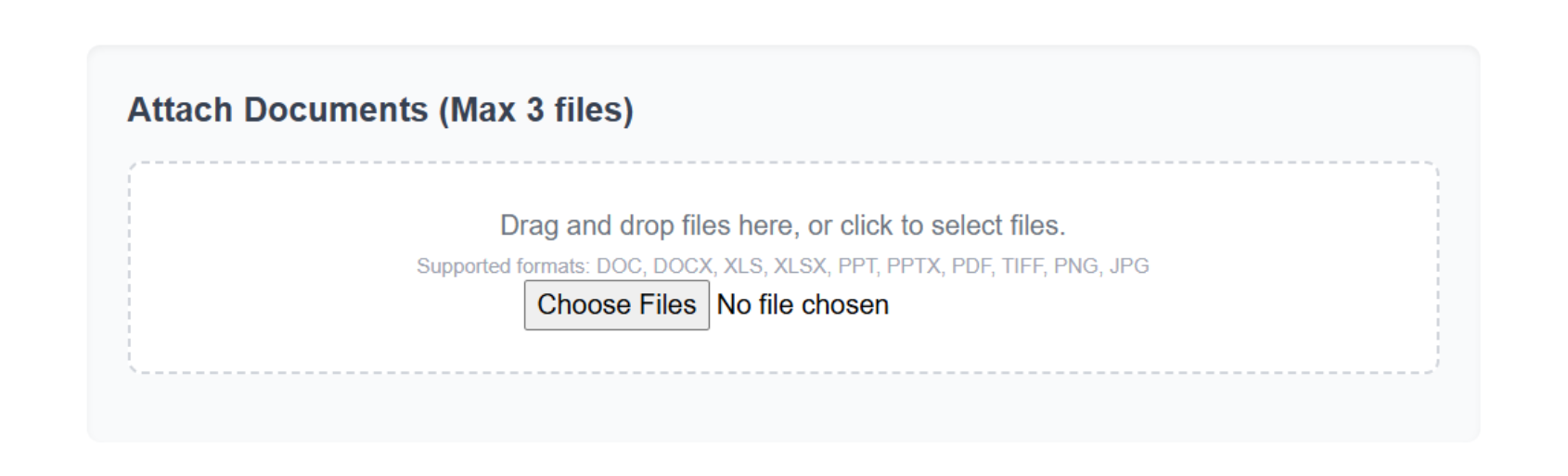
Step 2: Upload your document
Upload the file containing patient information. Files are encrypted during upload and storage.
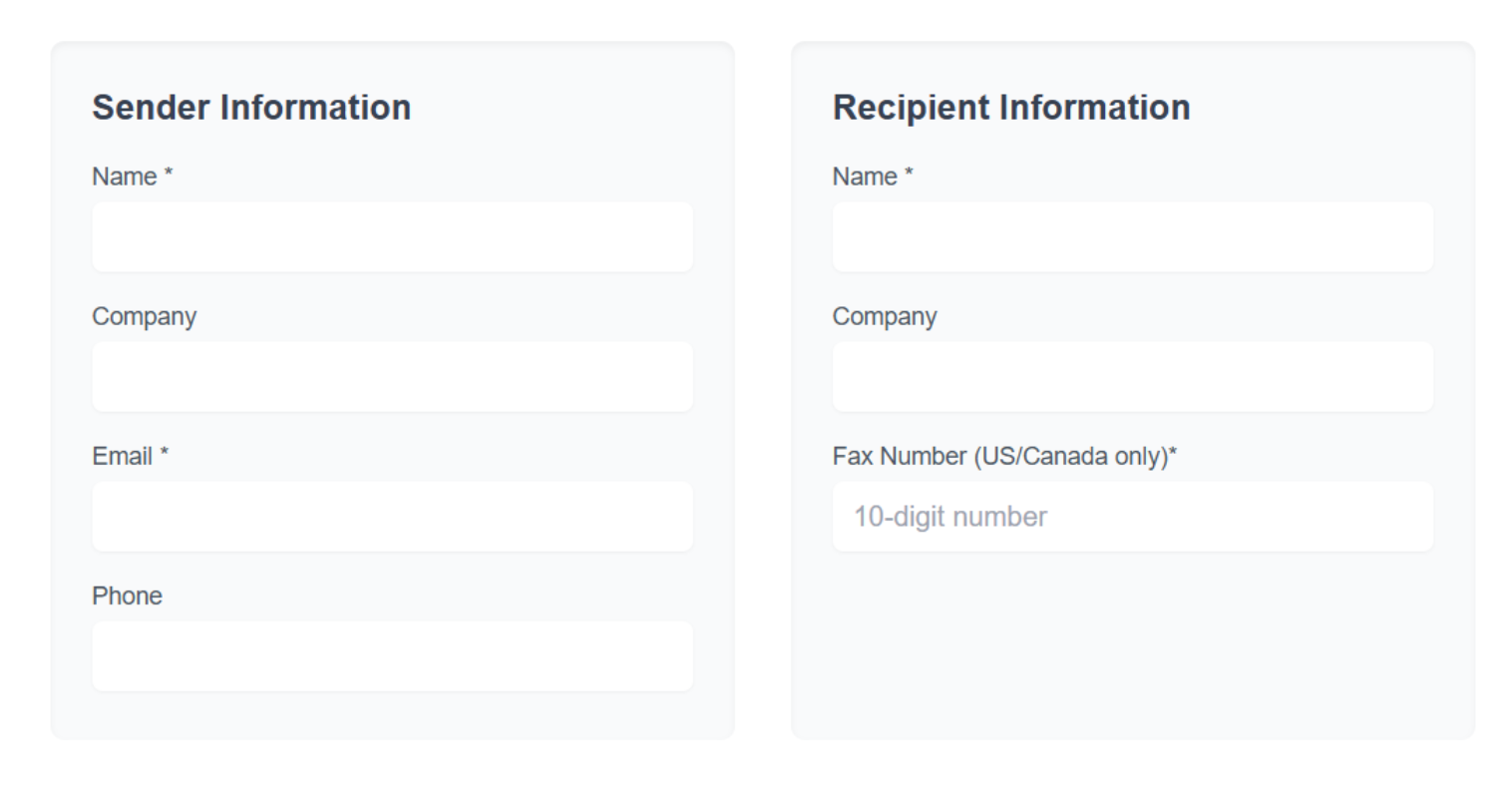
Step 3: Enter recipient details
Input the verified fax number. Many platforms include validation checks to reduce errors.
Step 4: Send and track the fax
Once sent, the system logs the transaction. You can track delivery status and maintain records for audits.
What Organizations Should Do Next
The adjustment in 2026 gets rid of the confusion that made it possible for people to understand things differently in the past. Every precaution is now highly important, thus every choice about how to apply them must be backed up by clear reasoning and the right paperwork.
A complete risk assessment should be the first step for organizations. This should find all possible protections, look at how they are presently being used, and point out any gaps. Once such holes are found, they need to be fixed by either putting the safeguard in place directly or coming up with a different one that offers the same level of security.
Training is also a big element of this process since employees need to know that shortcuts that are easy to use are no longer okay. Every step that involves patient data must be done according to written rules, and each person must be responsible for their actions.
Final Thoughts
The new way of looking at targeted protections alters how compliance is measured. There is still room for flexibility, but it now comes with a duty. Every protection must be put in place, explained, or replaced with something just as strong. If companies take this seriously, they will have better security and fewer weaknesses. The hazards are larger than ever for those who don't pay attention, and the room for mistakes has been much less.