- Posted on
- • Faxing Insights & Industry Knowledge
History and Security of Online Faxing: What Users Should Know
- Author
-
-

- User
- hira
- Posts by this author
- Posts by this author
-
Faxing began as a long-distance image transfer method in the nineteenth century and grew into a trusted office tool long before digital systems existed. Even in 2025, industries that depend on secure, timestamped document handling continue to rely on fax workflows. Find out why faxing still matters, the mistakes that slow down transmissions, how online faxing protects sensitive data, and why digital platforms remain legally recognized across professional environments.
Fax technology began as a method for transmitting images across long distances, long before personal computers or online networks existed. Early systems appeared during the nineteenth century, but commercial adoption increased in the mid-1900s when offices needed dependable document transfer that did not rely on courier schedules. Faxing became popular because it moved pages faster than mail services and reduced the delays that often slowed essential paperwork.
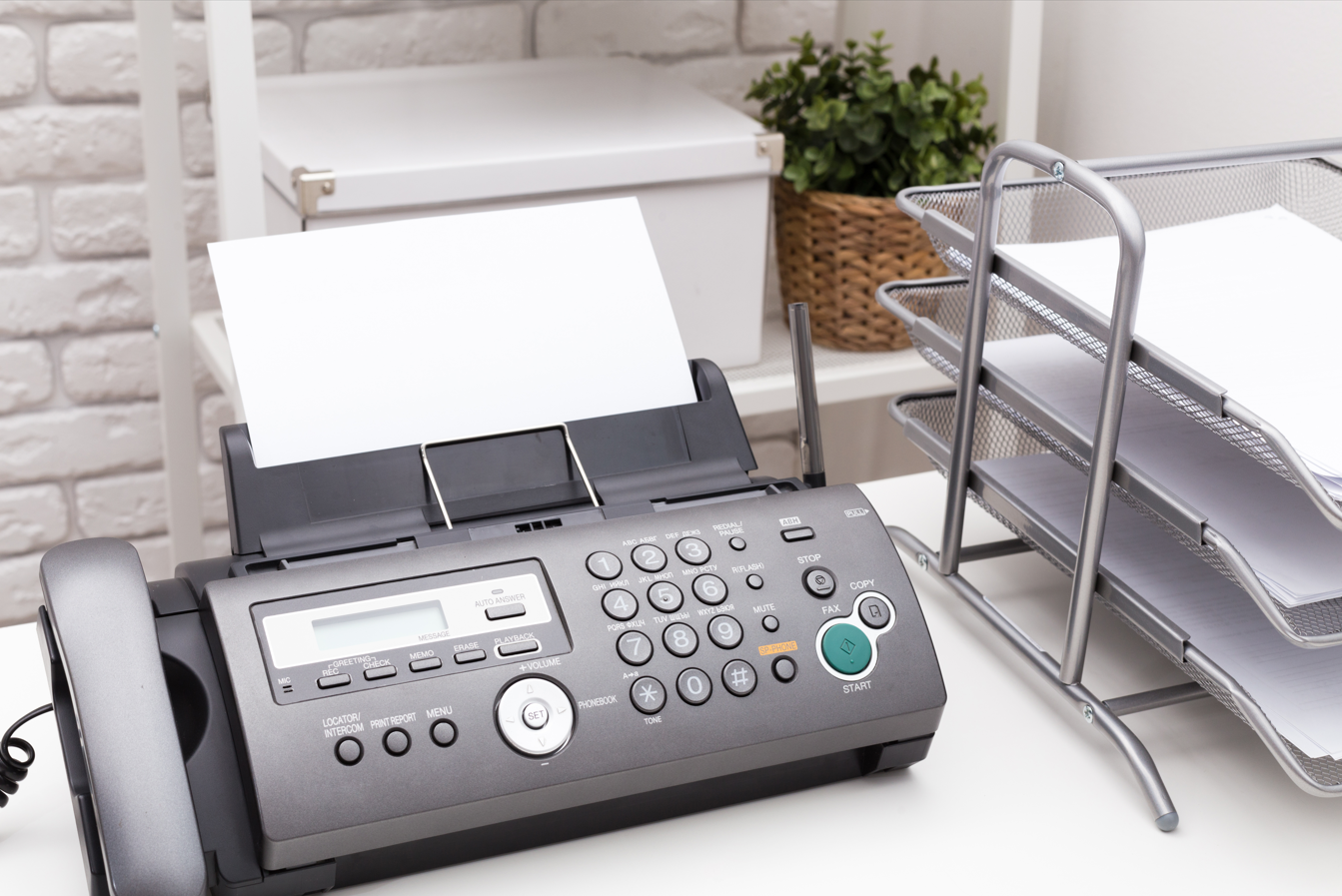 In 2025, faxing continues to hold value in environments where records must move between departments with clear timestamps. Legal, medical, financial, and government fields rely on consistent handling, and digital fax platforms now support this need with far more stability than older devices. Even though most transmissions occur online, the core purpose remains the same: sending structured material in a format that preserves layout, sequence, and clarity.
Common Faxing Mistakes and How to Avoid Them
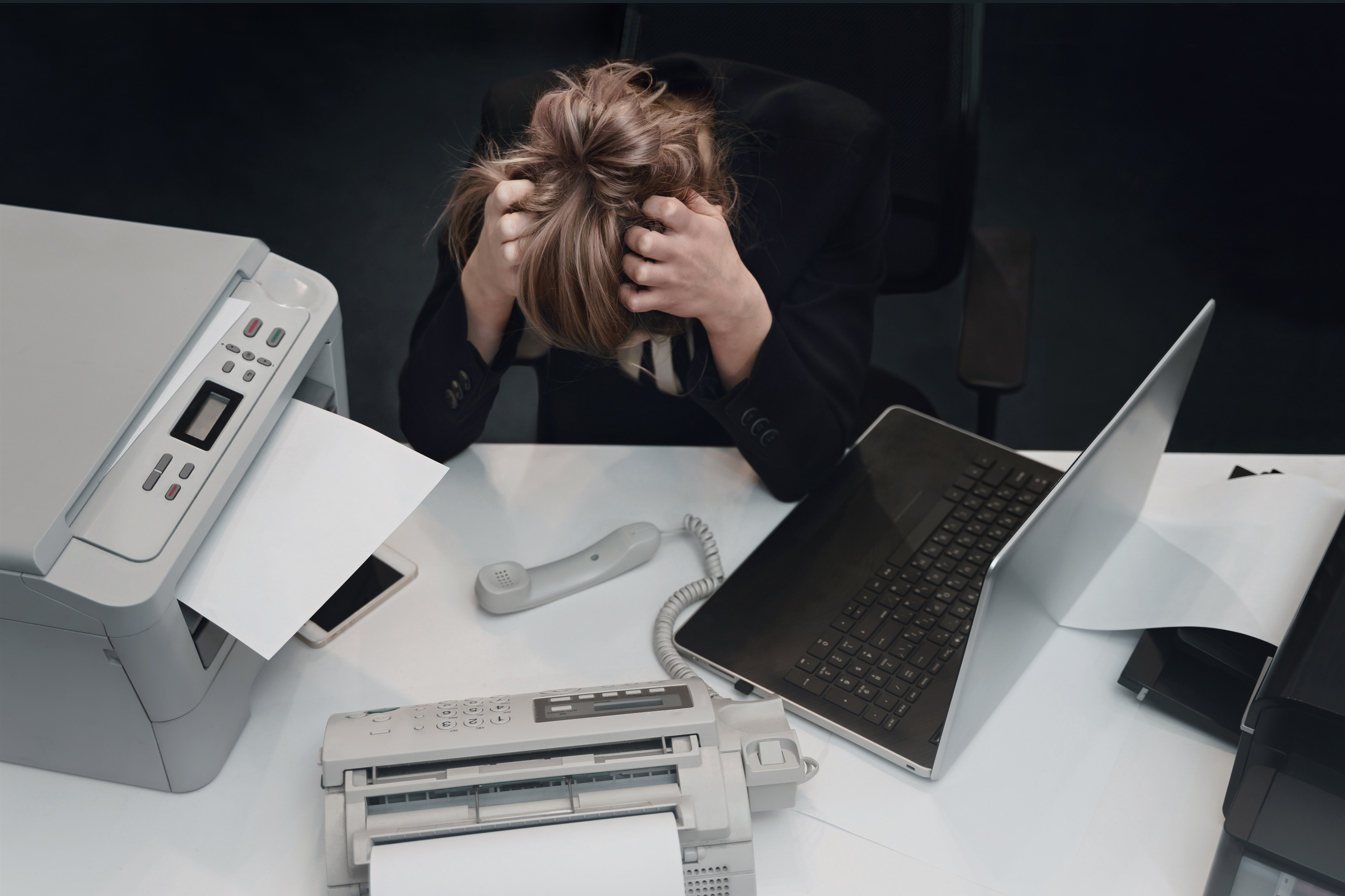 Many disruptions occur because small preparation steps are overlooked. Low-quality scans can slow processing, unclear angles distort text, and sideways pages force manual correction. Contact lists that have not been updated often lead to failed transmissions, and oversized files can create delays during peak hours.
The issues tend to fall into a few predictable categories:
- Low-resolution scans that reduce clarity
- Sideways or misaligned pages that interrupt processing
- Incorrect numbers taken from outdated records
- File sizes that place strain on the transmission queue
Clear scans, correct orientation, accurate contact details, and balanced file sizes help maintain a steady transmission path. These small adjustments prevent delays and support smoother movement across online fax systems.
How Secure Is Online Faxing? Everything You Need to Know
Online fax services use protected channels that manage how documents move between sender and recipient. Encrypted routes limit exposure to unsecured networks and keep sensitive material within controlled pathways. Delivery notifications create visibility into the progress of each file, which helps users track important exchanges without relying on open email systems.
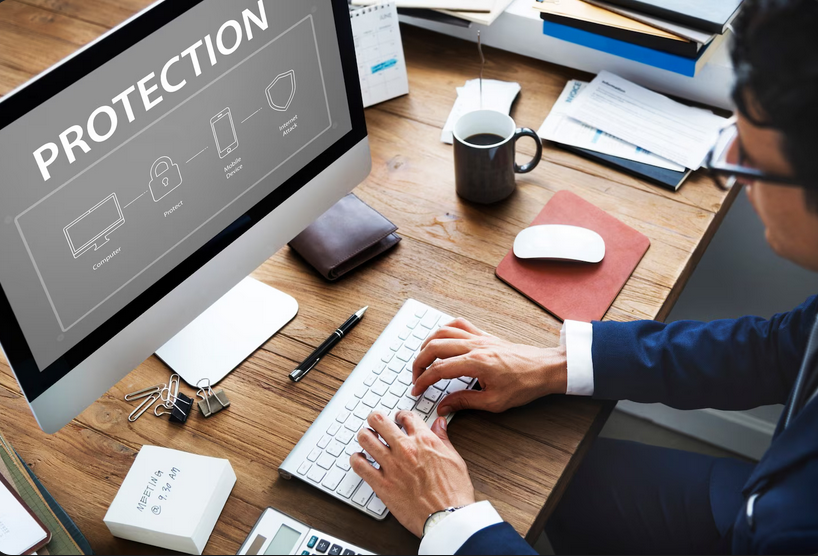 Files stored within the platform remain in restricted folders that only account holders can access. This structure supports professionals who handle confidential information and rely on a controlled method for document transfer. It also removes paper-related risks because pages do not sit on unattended office machines or pass through unprotected lines.
The Legal Validity of Online Faxes: Are They Accepted?
Online faxes hold the same legal standing as traditional machine-based transmissions when they meet established requirements. Organizations across health care, government, insurance, and law accept digital fax documents because they provide reliable timestamps and sender verification. Audit logs show when a file entered the system, how it traveled, and when it arrived at its destination.
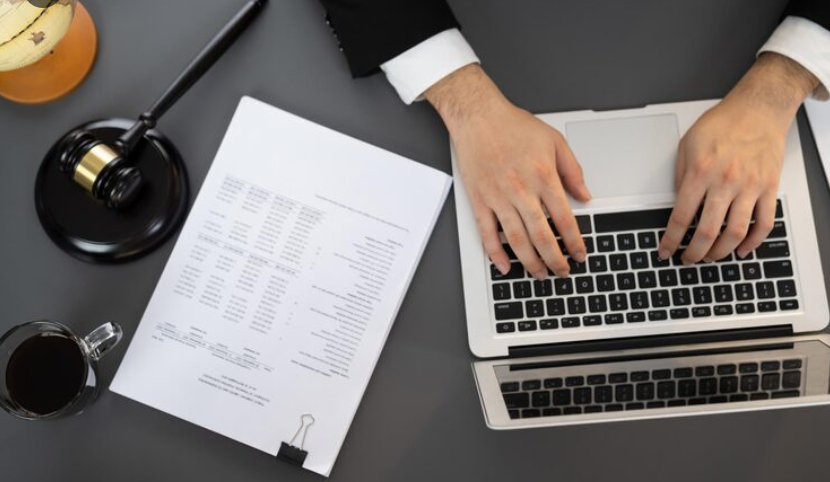 This traceability supports internal reviews, dispute resolution, and compliance checks. Many agencies that require signatures accept scanned or digitally signed pages submitted through online fax services, which helps move agreements and referrals forward without physical devices.
Faxing for Small Businesses: Why Digital Fax Can Save Time
Digital faxing offers practical advantages for small businesses that prefer predictable communication without equipment maintenance. Paper, ink, and hardware issues often interrupt daily work, while online platforms remove these burdens entirely. Web dashboards and mobile apps allow teams to manage files from any workspace and retrieve previous documents without searching through physical stacks.
Support for multiple file formats keeps communication steady, and organized online storage reduces the risk of misplaced paperwork. These qualities create an efficient path for sending approvals, forms, and routine correspondence across different teams and clients.
Conclusion
Faxing remains significant in 2025 because many industries depend on clear transmission paths that preserve structure and timing. Digital platforms like FaxMingle strengthen this process by removing equipment hurdles and providing controlled routes for documents that require dependable handling. These qualities allow businesses, institutions, and independent users to maintain organized communication without relying on physical machines.